
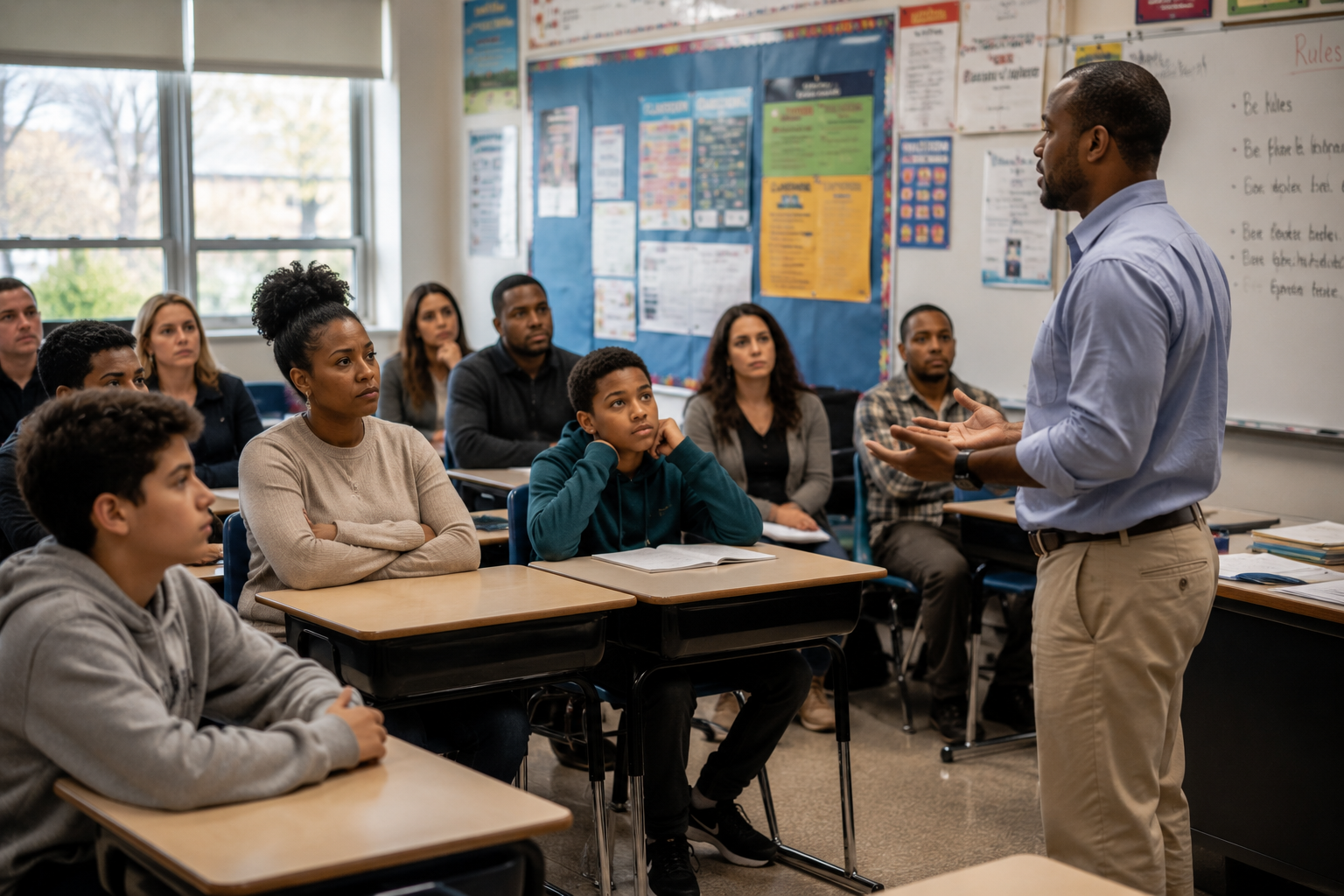
A controversial new school bullying policy has sparked intense international discussion after reports revealed that teachers in one country may now be allowed to cane students as part of efforts to fight bullying and improve classroom discipline.
The decision has divided public opinion sharply. Supporters believe stronger punishments could discourage violent or disruptive student behavior, while critics argue physical punishment may create fear and emotional harm instead of solving deeper issues.
The growing debate around this school bullying policy highlights how difficult it has become for governments and schools to manage rising concerns involving student behavior, classroom safety, and bullying incidents.
As schools worldwide continue searching for better discipline systems, this policy change has quickly become a major topic of global conversation.
School Bullying Policy Introduced to Address Discipline Concerns
According to reports, officials supporting the new school bullying policy believe tougher disciplinary measures may help reduce bullying and disruptive conduct in schools.
Supporters argue that teachers need stronger authority to maintain order inside classrooms. They believe traditional disciplinary systems sometimes fail to stop repeated bullying or aggressive behavior.
The updated school bullying policy reportedly aims to create what officials describe as “firm and meaningful consequences” for students who repeatedly violate school rules.
This approach has immediately triggered strong reactions from educators, parents, psychologists, and child rights advocates.
Why School Bullying Remains a Global Problem
The debate surrounding the school bullying policy reflects a larger issue affecting schools worldwide.
Bullying continues impacting millions of students every year through:
- Physical intimidation
- Verbal harassment
- Social exclusion
- Online abuse
- Emotional pressure
Schools across many countries have struggled to reduce bullying despite awareness campaigns and disciplinary systems.
As a result, some governments are now exploring tougher measures to restore classroom discipline and student safety.
The controversial school bullying policy demonstrates how urgent these concerns have become for some education systems.
Bullying Can Affect Student Mental Health
Experts frequently warn that bullying can seriously affect emotional well-being and academic performance.
Victims of bullying may experience:
- Anxiety
- Depression
- Isolation
- Fear of attending school
- Reduced confidence
These concerns explain why governments continue searching for stronger anti-bullying solutions.
The latest school bullying policy debate therefore connects directly to broader concerns about student safety and mental health.
Schools Face Increasing Behavioral Challenges
Teachers in many countries report growing classroom behavior problems.
Some educators say schools now struggle with:
- Student aggression
- Disrespect toward staff
- Disruptive behavior
- Online harassment
- Violence between students
Supporters of the new school bullying policy argue stronger discipline may help restore order inside classrooms.
Critics Strongly Oppose Physical Punishment
Despite support from some groups, critics strongly oppose the controversial school bullying policy.
Child rights organizations and many psychologists argue that physical punishment can damage trust between students and educators.
Critics believe fear-based discipline may create additional emotional stress rather than solving behavioral problems effectively.
Opponents also argue schools should focus more on:
- Counseling
- Mental health support
- Conflict resolution
- Family involvement
- Positive behavior programs
The strong reaction shows how emotionally sensitive the school bullying policy debate has become internationally.
Parents Are Divided Over the School Bullying Policy
The new school bullying policy has also divided parents sharply.
Some parents support stricter discipline because they worry about rising violence and bullying incidents in schools. They believe stronger consequences could improve student behavior and classroom safety.
Others strongly disagree with physical punishment in educational settings.
Many parents fear that caning or corporal punishment could negatively affect children emotionally and physically.
The debate reflects wider disagreements over parenting styles, discipline methods, and educational philosophy.
Governments Worldwide Handle Discipline Differently
The reaction to the school bullying policy also highlights major differences between education systems around the world.
Some countries completely ban corporal punishment in schools, while others still allow limited forms of physical discipline under specific conditions.
Cultural attitudes toward discipline often influence how governments approach school behavior issues.
As international discussion grows, the controversial school bullying policy is drawing attention to these global differences in education practices.
Teachers Face Growing Pressure in Modern Classrooms
The discussion surrounding the school bullying policy also reflects increasing pressure on teachers themselves.
Educators today manage classrooms influenced by:
- Social media
- Online conflicts
- Mental health concerns
- Academic pressure
- Behavioral challenges
Many teachers report feeling overwhelmed by disciplinary responsibilities while also trying to maintain positive learning environments.
Supporters of stricter discipline argue teachers need stronger authority to control difficult situations effectively.
Critics, however, believe schools need more resources and support rather than harsher punishments.
Experts Say Bullying Requires Long-Term Solutions
Many education experts believe bullying cannot be solved through punishment alone.
Instead, specialists often recommend broader anti-bullying strategies involving:
- Student counseling
- Emotional education
- Parent communication
- Teacher training
- Peer support programs
These experts argue bullying behavior often reflects deeper emotional or social problems that require long-term intervention.
The controversy surrounding the school bullying policy has therefore reopened larger conversations about how schools should handle discipline overall.
Social Media Has Intensified Public Debate
The controversial school bullying policy quickly spread across social media platforms, where public reactions became highly emotional.
Online discussions included:
- Parent opinions
- Teacher experiences
- Student reactions
- Mental health concerns
- Child protection arguments
Social media has amplified the debate significantly, turning a national education policy into a global discussion.
The issue continues generating strong reactions because it touches on sensitive questions involving childhood, authority, discipline, and safety.
Student Safety Remains the Central Issue
At the center of the school bullying policy debate is one major concern: student safety.
Supporters argue stronger discipline protects victims of bullying and improves classroom order.
Critics argue physical punishment may create new risks for students while failing to address root causes of aggressive behavior.
Both sides claim to prioritize student well-being, but they strongly disagree about the best path forward.
This disagreement explains why the debate has become so intense internationally.
Education Systems Continue Searching for Balance
Modern schools face the difficult challenge of balancing discipline with emotional support.
The controversy involving the school bullying policy highlights how complex this balance has become.
Schools must now manage academic performance, student mental health, online behavior, classroom safety, and parental expectations simultaneously.
As bullying concerns continue growing globally, education systems will likely continue experimenting with different disciplinary approaches.
The challenge remains finding solutions that improve safety without harming trust or emotional development.
Why the School Bullying Policy Matters Globally
The importance of the school bullying policy debate extends beyond one country alone.
Bullying affects schools worldwide, and governments everywhere continue searching for effective ways to improve student behavior and classroom safety.
The controversy has sparked broader international discussions about:
- Child rights
- Discipline methods
- Teacher authority
- Mental health
- Educational responsibility
Many countries now face growing pressure to modernize school discipline systems while also protecting student well-being.
Final Thoughts
The controversial school bullying policy allowing teachers to cane students has triggered intense global debate about discipline, student safety, and educational responsibility.
Supporters believe stronger punishments may help reduce bullying and restore classroom order, while critics warn that physical punishment could create emotional harm and damage trust between students and educators.
As schools worldwide continue facing rising behavioral challenges, the debate surrounding the school bullying policy highlights how difficult it can be to balance discipline with compassion.
The conversation will likely continue as governments, teachers, parents, and experts search for better ways to create safer and healthier learning environments for students everywhere.
Read Other Interesting news here: Cyber Attack Schools Crisis
