
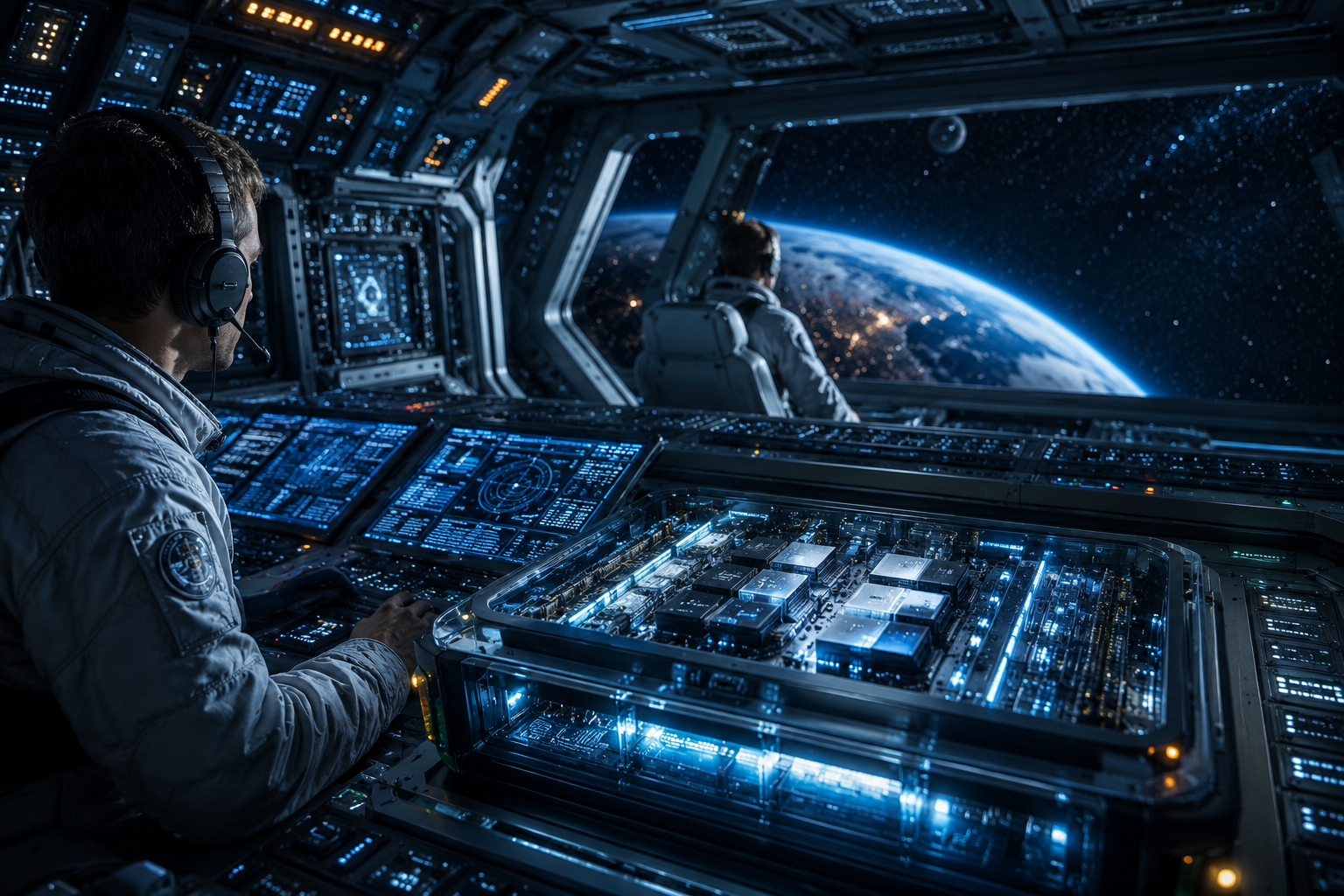
The future of spaceflight computing is rapidly changing as NASA and private industry partners work together to create faster, smarter, and more reliable computing systems for deep-space missions.
Modern space missions demand enormous computing power. Spacecraft today must process huge amounts of data, manage autonomous systems, support scientific research, and survive harsh conditions far beyond Earth.
That is why NASA is now focusing heavily on advanced spaceflight computing technology designed specifically for the next generation of exploration missions.
According to NASA, these new systems could help improve mission performance, reduce delays, and support future exploration efforts involving the Moon, Mars, and beyond.
The latest effort also shows how important high-performance computing has become in modern space exploration.
NASA and Industry Are Working Together on Spaceflight Computing
NASA recently announced new collaboration efforts with industry partners to improve spaceflight computing capabilities for future missions.
The agency wants to develop computing systems that are faster, more efficient, and capable of handling increasingly difficult tasks in space environments.
Traditional computer systems used in spacecraft often face major limitations because space missions must operate under extreme radiation, temperature changes, and communication delays.
The new push for advanced spaceflight computing aims to solve many of those challenges.
By working closely with private technology companies, NASA hopes to accelerate innovation while improving mission safety and performance.
Why Spaceflight Computing Matters More Than Ever
Modern space missions rely heavily on advanced computing systems.
Spacecraft today must process information continuously while operating millions of miles away from Earth. Communication delays make autonomous decision-making increasingly important during deep-space missions.
That is why powerful spaceflight computing systems are becoming essential.
These systems help spacecraft:
- Analyze scientific data
- Navigate complex environments
- Manage onboard systems
- Support astronauts
- Detect technical problems
- Process AI-driven tasks
Future missions to Mars and other distant destinations will require even more advanced onboard computing power.
NASA believes improving spaceflight computing could dramatically increase mission capabilities over the coming decades.
Deep-Space Missions Require Smarter Technology
Deep-space exploration creates challenges that Earth-based computers do not usually face.
Spacecraft operating far from Earth cannot always rely on immediate instructions from mission control. Communication signals can take several minutes or even hours to travel between planets.
Because of this, advanced spaceflight computing systems must often make decisions independently.
NASA’s latest projects focus on developing systems capable of handling these situations more effectively.
Radiation Is One of the Biggest Challenges
Radiation remains one of the most serious threats to electronics in space.
Cosmic radiation can damage computer systems, corrupt data, and reduce hardware reliability during long missions.
That is why engineers developing spaceflight computing technology must build systems capable of surviving harsh radiation environments.
NASA and industry partners continue testing new hardware designed specifically for deep-space conditions.
Faster Processing Improves Mission Performance
Improved processing power allows spacecraft to complete tasks more efficiently.
Modern spaceflight computing systems can process scientific information faster, helping missions collect and analyze more valuable data during exploration.
This becomes especially important for future robotic missions and crewed exploration projects.
Artificial Intelligence Is Becoming Part of Spaceflight Computing
Artificial intelligence is now playing a growing role in spaceflight computing development.
NASA increasingly explores how AI systems can assist spacecraft with navigation, automation, data analysis, and mission planning.
AI-powered systems could help future spacecraft operate more independently while reducing pressure on mission control teams back on Earth.
Possible AI applications include:
- Autonomous navigation
- Hazard detection
- Scientific analysis
- Equipment monitoring
- Resource management
- Emergency response systems
The combination of AI and advanced spaceflight computing may significantly improve future mission efficiency.
Future Moon and Mars Missions Depend on Better Computing
NASA’s long-term exploration goals depend heavily on stronger spaceflight computing capabilities.
Future missions involving the Moon and Mars will require spacecraft and habitats capable of managing large amounts of information without constant Earth-based support.
Astronauts traveling deep into space may need onboard systems capable of:
- Real-time diagnostics
- Scientific research processing
- Autonomous problem-solving
- Environmental monitoring
- Crew assistance
The development of next-generation spaceflight computing technology therefore remains critical for future human exploration.
NASA Wants More Reliable Spacecraft Systems
Reliability remains one of NASA’s biggest priorities.
Space missions are extremely expensive and technically complex. Even small computer failures can create major mission risks.
That is why NASA’s latest spaceflight computing initiative focuses heavily on reliability and fault tolerance.
New systems must continue functioning even under difficult conditions and unexpected problems.
The agency hopes these improvements will reduce mission failures while increasing operational flexibility.
Industry Partnerships Are Accelerating Innovation
Private companies now play an increasingly important role in space technology development.
NASA’s partnerships with industry leaders are helping accelerate progress in spaceflight computing by combining government research with private-sector innovation.
Commercial technology companies often move quickly when developing advanced processors, AI systems, and computing architectures.
By working together, NASA and industry partners can test new ideas more efficiently while reducing development costs.
This collaboration model has become a major part of modern space exploration strategy.
High-Performance Computing Could Transform Space Science
Advanced spaceflight computing systems could dramatically improve scientific discovery in future missions.
Powerful onboard computers would allow spacecraft to process more information directly in space instead of sending all raw data back to Earth.
This could help scientists:
- Analyze planetary surfaces faster
- Detect unusual patterns
- Prioritize valuable discoveries
- Improve imaging systems
- Process large scientific datasets
The ability to perform advanced computing directly onboard spacecraft could make future missions far more productive.
Spaceflight Computing May Also Benefit Earth Technology
The impact of spaceflight computing may eventually extend beyond space missions themselves.
Technologies developed for extreme space environments often influence products used on Earth later.
Past NASA innovations have contributed to improvements in:
- Communication systems
- Materials science
- Medical technology
- Computing systems
- Navigation tools
New high-performance space computing systems could eventually help improve advanced electronics, AI systems, and industrial technologies here on Earth as well.
NASA Continues Preparing for the Future of Exploration
NASA’s growing investment in spaceflight computing reflects the agency’s long-term vision for space exploration.
The future of exploration will involve increasingly complex missions requiring smarter and more independent spacecraft systems.
From robotic probes to crewed Mars missions, computing power will remain one of the most important technologies supporting future discoveries.
NASA’s latest collaboration efforts show that the agency is preparing for missions far more advanced than anything attempted before.
Why Spaceflight Computing Matters for Humanity’s Future
The importance of spaceflight computing goes beyond technology alone.
Advanced computing systems may eventually help humanity explore distant worlds, support long-term space habitats, and improve our understanding of the universe.
Every major leap in space exploration depends on solving difficult engineering challenges.
Computing power now sits at the center of many of those challenges.
As missions travel farther from Earth, autonomous systems and intelligent spacecraft will become increasingly necessary.
Final Thoughts
The latest push toward advanced spaceflight computing shows how quickly modern space exploration is evolving. NASA and its industry partners are working to create faster, smarter, and more reliable systems capable of supporting future deep-space missions.
From AI-powered spacecraft to autonomous mission management, next-generation computing technology could transform how humans explore the universe.
The future of spaceflight computing will likely play a major role in upcoming missions involving the Moon, Mars, and even more distant destinations.
As NASA continues preparing for a new era of exploration, advanced computing systems may become one of the most important technologies driving humanity deeper into space.
Read Other Interesting news here: Apple AI Lawsuit
