
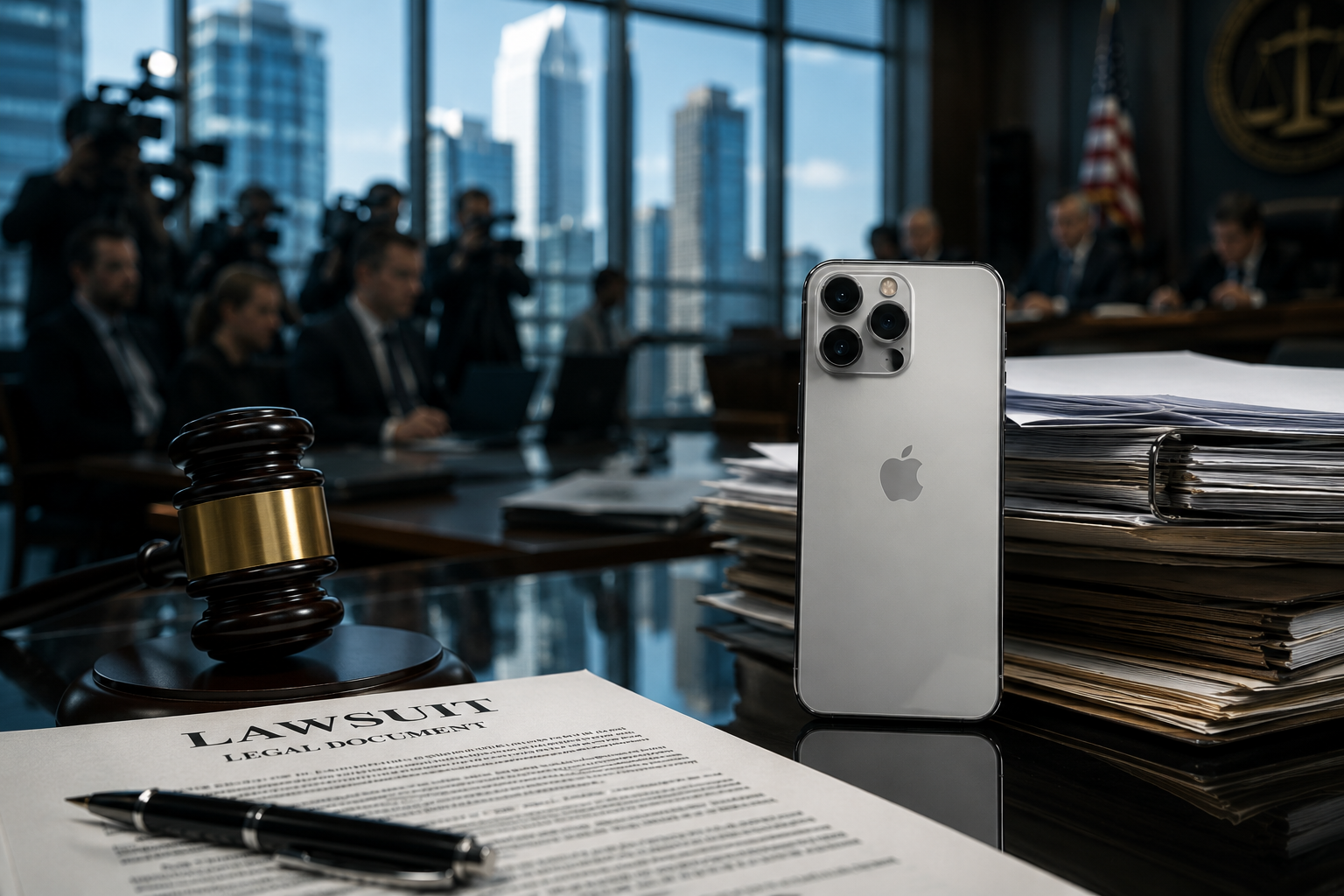
The growing Apple AI lawsuit has become one of the most talked-about technology stories of 2026. Reports that Apple agreed to a massive $250 million settlement linked to AI-related iPhone feature claims have sparked debate across the tech world.
The Apple AI lawsuit is attracting huge public attention because artificial intelligence has become one of the biggest selling points in modern smartphones. Consumers now expect AI tools to work smoothly, accurately, and exactly as companies advertise them.
As the AI race between major technology companies becomes more intense, the Apple AI lawsuit also highlights the growing legal risks connected to marketing advanced digital features.
Many analysts believe this case could shape how AI products are promoted in the future.
Apple AI Lawsuit Became a Major Technology Story
The Apple AI lawsuit quickly gained attention because Apple remains one of the most influential technology companies in the world.
According to reports, the legal dispute focused on claims involving AI-powered iPhone features and the way those capabilities were presented to consumers.
Artificial intelligence is now deeply connected to smartphone marketing. Companies regularly advertise smarter assistants, intelligent photography tools, predictive features, and personalized AI experiences to attract buyers.
The Apple AI lawsuit therefore raised an important question: how should companies explain AI technology to consumers in a clear and accurate way?
That issue is becoming increasingly important as AI systems continue evolving rapidly.
Why the Apple AI Lawsuit Matters for the Entire Industry
The Apple AI lawsuit matters far beyond Apple itself.
Today, nearly every major technology company is investing billions of dollars into artificial intelligence development. Smartphones, laptops, search engines, cloud services, and smart home devices now rely heavily on AI-powered systems.
Because of this, the Apple AI lawsuit could influence how the entire technology industry approaches AI advertising and customer expectations.
Legal experts believe companies may now become more cautious about making aggressive claims regarding AI performance.
Consumers are also paying closer attention to how AI features actually work in daily use.
AI Marketing Has Become Extremely Competitive
The competition surrounding AI technology is stronger than ever.
Apple, Google, Samsung, Microsoft, and other companies all want to position their products as smarter and more advanced than competitors.
That pressure has created extremely aggressive AI-focused marketing campaigns across the tech industry.
The Apple AI lawsuit highlights how difficult it can become to balance exciting innovation with realistic product expectations.
Consumers Now Expect AI Features to Work Perfectly
Modern smartphone users expect AI systems to deliver reliable performance every day.
Features connected to:
- AI assistants
- Smart photography
- Voice recognition
- Search tools
- Personalized recommendations
- Writing assistance
have become central to smartphone experiences.
The Apple AI lawsuit shows how quickly customer frustration can grow when expectations and real-world performance do not fully match.
Apple Continues Expanding AI Across Its Products
Despite the legal pressure connected to the Apple AI lawsuit, Apple continues pushing deeper into artificial intelligence development.
The company has integrated AI tools into:
- iPhones
- iPads
- Mac computers
- Cloud services
- Smart assistants
- Photography systems
Apple executives continue describing AI as a critical part of the company’s long-term strategy.
Recent software updates have focused heavily on smarter Siri capabilities, personalized experiences, AI-powered editing tools, and improved search functionality.
The attention surrounding the Apple AI lawsuit comes at a time when Apple is increasing its AI investment aggressively.
Apple AI Lawsuit Could Influence Future AI Regulations
Legal analysts believe the Apple AI lawsuit may become an important moment in the future regulation of artificial intelligence.
Governments around the world are already discussing stronger rules for AI systems and digital platforms.
Areas receiving growing attention include:
- AI transparency
- Consumer protection
- Privacy concerns
- Data usage
- Marketing claims
- Automated decisions
The settlement linked to the Apple AI lawsuit may encourage regulators to examine AI advertising more closely.
Technology companies could eventually face stricter standards regarding how they explain AI capabilities to users.
Public Trust Is Becoming More Important in AI Technology
One major lesson from the Apple AI lawsuit is that trust now plays a huge role in the AI industry.
Consumers want innovation, but they also expect honesty and reliability from major technology companies.
Artificial intelligence systems are becoming deeply integrated into daily life. Millions of people now depend on AI tools for communication, work, creativity, navigation, and entertainment.
As AI becomes more powerful, public trust becomes even more valuable.
The Apple AI lawsuit demonstrates how quickly confidence can be affected when consumers question how technology is being marketed.
Investors Are Closely Watching the Apple AI Lawsuit
The Apple AI lawsuit has also attracted attention from investors and financial analysts.
Artificial intelligence remains one of the biggest drivers of technology market growth. Companies leading the AI race continue receiving enormous investment and public attention.
However, the legal risks connected to AI products are now becoming more visible.
Investors want reassurance that technology companies can expand AI services without creating major legal or regulatory problems.
The settlement tied to the Apple AI lawsuit may therefore encourage businesses to review how they communicate AI capabilities to customers.
AI Technology Is Changing Consumer Expectations
The rapid rise of AI technology is reshaping what consumers expect from smartphones and digital devices.
People now want devices that feel smarter, faster, and more personalized.
The Apple AI lawsuit reflects this shift in expectations.
Customers no longer simply buy hardware. They also buy intelligent software experiences powered by machine learning and automation.
That creates enormous pressure on technology companies to continuously improve AI systems while maintaining transparency.
The challenge becomes even harder as AI tools grow more complex.
Apple AI Lawsuit Highlights the Risks of the AI Race
The modern AI race is moving incredibly fast.
Technology companies are competing intensely to introduce new AI features before rivals gain an advantage. This rapid pace creates opportunities for innovation, but it also increases risks connected to product expectations and communication.
The Apple AI lawsuit demonstrates that AI competition is no longer only about technology leadership.
It is also about legal responsibility, consumer trust, and long-term credibility.
Experts believe future AI-related lawsuits may become more common as digital systems continue evolving rapidly.
Consumers Are Becoming More Careful About AI Claims
The Apple AI lawsuit also shows that consumers are becoming more aware of how AI technology works.
Buyers now ask more questions regarding:
- AI accuracy
- Privacy protection
- Feature reliability
- Software limitations
- Data collection
- Real-world performance
This growing awareness may push technology companies toward clearer communication in the future.
Consumers today are far more informed about artificial intelligence than they were only a few years ago.
Why the Apple AI Lawsuit Matters Beyond Smartphones
The impact of the Apple AI lawsuit extends beyond the smartphone industry itself.
Artificial intelligence now influences multiple industries, including:
- Healthcare
- Finance
- Transportation
- Education
- Entertainment
- Business software
As AI expands into more areas of daily life, legal and ethical questions surrounding technology marketing will likely become even more important.
The Apple AI lawsuit therefore represents part of a much larger global conversation about the future of AI accountability.
Final Thoughts
The growing Apple AI lawsuit highlights how artificial intelligence is transforming both technology and consumer expectations. The reported $250 million settlement shows that companies promoting AI-powered products now face increasing legal and public scrutiny.
As Apple and other technology giants continue expanding AI development, consumers will likely demand greater transparency, clearer communication, and stronger accountability regarding digital features.
The Apple AI lawsuit may ultimately become an important turning point in how artificial intelligence products are marketed across the global technology industry.
For now, the case serves as a powerful reminder that the future of AI depends not only on innovation, but also on trust.
Read Other Interesting news here : Guiformat.com Review 2026
